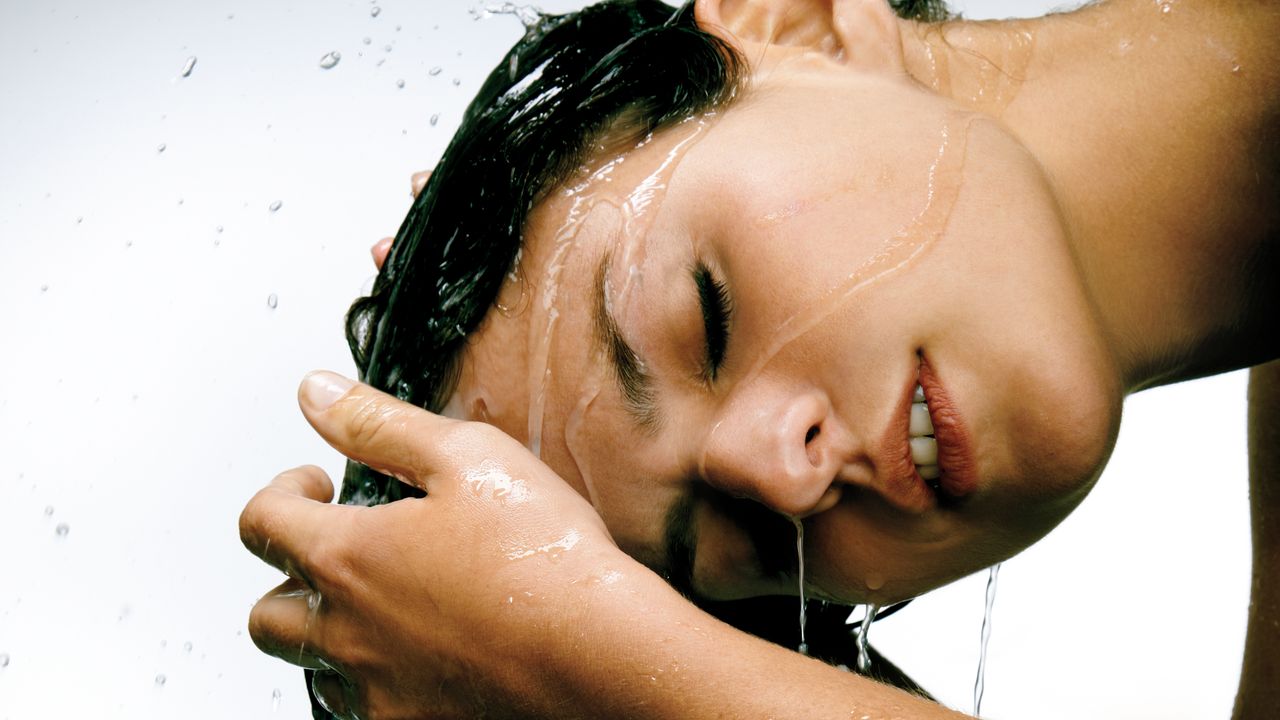
If scalp care is hair care, then we know to turn to K-beauty for the ultimate hair-washing routine. But its approach goes beyond innovative ingredients and cleansing techniques to deliver strong, sleek strands. As Beth Stokes, associate director of marketing at Dr. Groot, explains, the Korean way of washing hair is a more holistic, preventative philosophy than Western hair-washing routines, which focus solely on cleansing. “It prioritizes the scalp as the foundation for healthy, resilient hair, treating it much like skin,” Stokes says.
Y. Claire Chang](https://www.unionderm.com/doctors/dr-claire-chang/){: target=”_blank”}, MD, a board-certified dermatologist at Union Derm, adds: “Korean beauty has helped make scalp care feel like an important part of self-care and a daily routine, rather than something you only think about when you develop problems like dandruff, itching, or hair thinning. Instead of focusing only on making the hair look shinier or smoother, the approach considers both scalp health and hair health as connected.”
To wash your hair the Korean way, consider the following:
The Staple Ingredients
You can expect to see many skin-care ingredients alongside traditional Korean hair ingredients in shampoos, scalp scrubs, conditioners, and masks. These include salicylic acid, niacinamide, Centella, and panthenol, as well as black bean, black sesame, kelp, and rice water, says Sarah Chung Park, founder and CEO of Landing International. With newer formulations, she says PDRN and exosomes are moving into scalp ampoules to better support healthy hair growth. The goals, she says, are the same as for your face: clean, calm, and balanced.
“Your scalp is skin,” Park says. “It gets oily, dry, irritated, and it ages, just like your face. Korean consumers already know so much about skin care that taking care of the scalp feels like the natural next step.”
Hair Vinegar
Vinegar rinses have been around for years in Korean hair care as a traditional home remedy but aren’t really a staple today. Though vinegar’s acetic acid is known to smooth the hair’s surface and add shine, Stokes says the effect is temporary, and there’s little scientific evidence that it improves scalp health or helps with hair regrowth.
“What’s popular now is hair vinegar,” Park says. “[It’s] a product made just for the scalp. You apply it after shampooing, massage it in, and rinse. Koreans love it for oily scalps, buildup, and scalp odor, which gets worse in hot, humid summers.”
The Process
Each hair-wash routine will differ based on your personal needs, but generally speaking a Korean hair-wash routine includes the following steps: